


Bronze in Vintage Story is not an ore. It is an alloy: copper plus rarer metals, mixed in a crucible before you light the fire. There are three useful bronzes, and each one has its own recipe. If the mix misses the range, the crucible window will not name the alloy, and the melt will not come out as bronze.
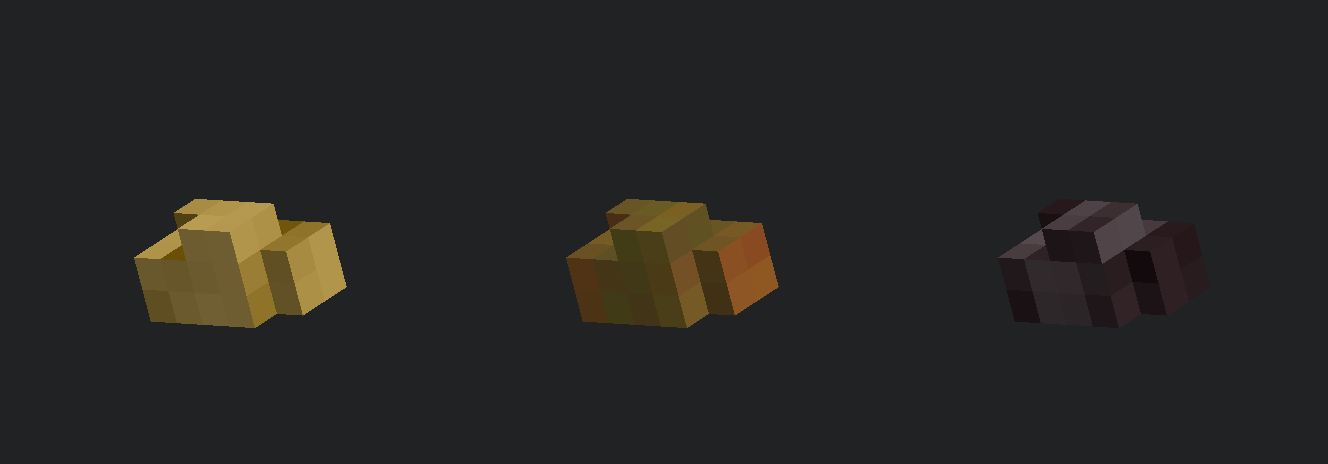
One nugget is 5 units of metal. A tool head and an ingot each take 100 units, which is exactly 20 nuggets. The molds, crucible, tongs, and charcoal pit are the same ones you used for copper.
How to cast copper, fire the molds, and pour from the crucible is covered in the guide on casting copper.
Which bronze to make
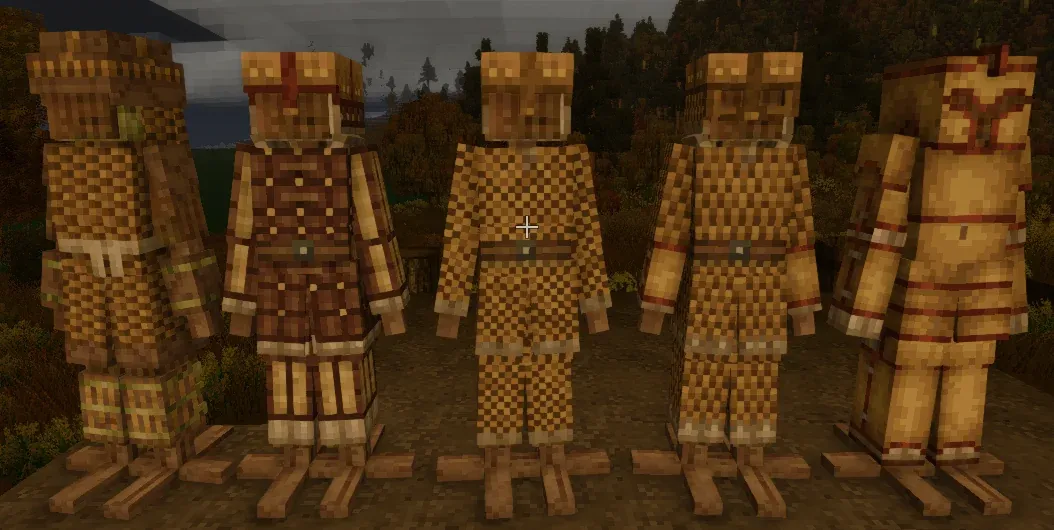
All three are tier 3. They mine what a copper pickaxe cannot, and a bronze anvil can smith iron. Black bronze is the strongest of the three overall. After that, the choice is whichever rare metal you already have.
- Tin bronze is the usual first alloy. One tool only needs 2 tin nuggets. Its tools mine faster and hit harder than bismuth bronze. Its armor is tougher and protects better than bismuth bronze armor. The first story chapter asks for a tin bronze pickaxe specifically.
- Bismuth bronze is the fallback when you have no tin but you do have zinc and bismuth. The tools last longer than tin bronze, but they mine and hit for less. Finished bismuth bronze melts at 850 °C, so once it is cast you can remelt it even on peat.
- Black bronze is the best of the three, but every tool costs 2 gold nuggets and 2 silver nuggets. Make it when you can spare gold and silver from lantern linings.
Ratios for one tool
The recipes below spend as little rare metal as possible and as much copper as possible. Put the nuggets into the four crucible slots and read the label. Do not light the fire until it names the bronze.
Any other batch — a 9-ingot anvil, leftover nuggets, a ratio shifted inside the recipe — is what the alloy calculator is for. Pick the bronze and the number of ingots, or enter the nuggets you already have. It returns whole nuggets, not fractions like 1.6.
| Bronze | Per 20 nuggets | Allowed mix | Melting point once alloyed |
|---|---|---|---|
| Tin bronze | 18 copper + 2 tin | copper 88–92%, tin 8–12% | 950 °C |
| Bismuth bronze | 14 copper + 4 zinc + 2 bismuth | copper 50–70%, zinc 20–30%, bismuth 10–20% | 850 °C |
| Black bronze | 16 copper + 2 silver + 2 gold | copper 68–84%, silver 8–16%, gold 8–16% | 1020 °C |
Bismuth bronze has a wider band. If you have extra zinc and less copper, other sets of 20 nuggets also work: 2–4 bismuth, 10–14 copper, and 4–6 zinc. One valid mix is 2 bismuth, 12 copper, and 6 zinc. The crucible window is the check. If it names the alloy, the mix is valid.
You cannot alloy two metals by pouring them into the same mold. The alloy only forms in the crucible. One crucible holds one metal or one alloy at a time. Adding or removing nuggets after heating has started resets the temperature.
A five-ingot batch
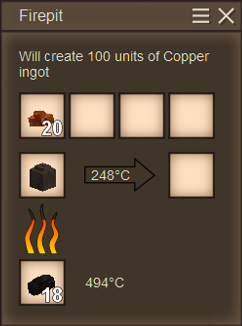
A single tool does not spend tin, gold, or silver as efficiently as it could. Eight percent of 20 nuggets is 1.6, and a nugget does not split. The lowest spend of those metals is on batches of 500 units. That is 100 nuggets, or 5 ingots.
| Bronze | Copper | Second metal | Third metal |
|---|---|---|---|
| Tin bronze | 92 | 8 tin | — |
| Bismuth bronze | 70 | 20 zinc | 10 bismuth |
| Black bronze | 84 | 8 silver | 8 gold |
The saving shows up on tin and on black bronze. Five separate tin bronze ingots cost 10 tin nuggets. One five-ingot batch costs 8. Five separate black bronze ingots cost 10 gold and 10 silver. The batch costs 8 of each. Bismuth bronze is already on the minimum bismuth for a single ingot, so the batch is just five times that.
An anvil is 9 ingots, 180 nuggets. That count does not land cleanly on the table. It is easier to enter in the alloy calculator.
Where the extra metals come from
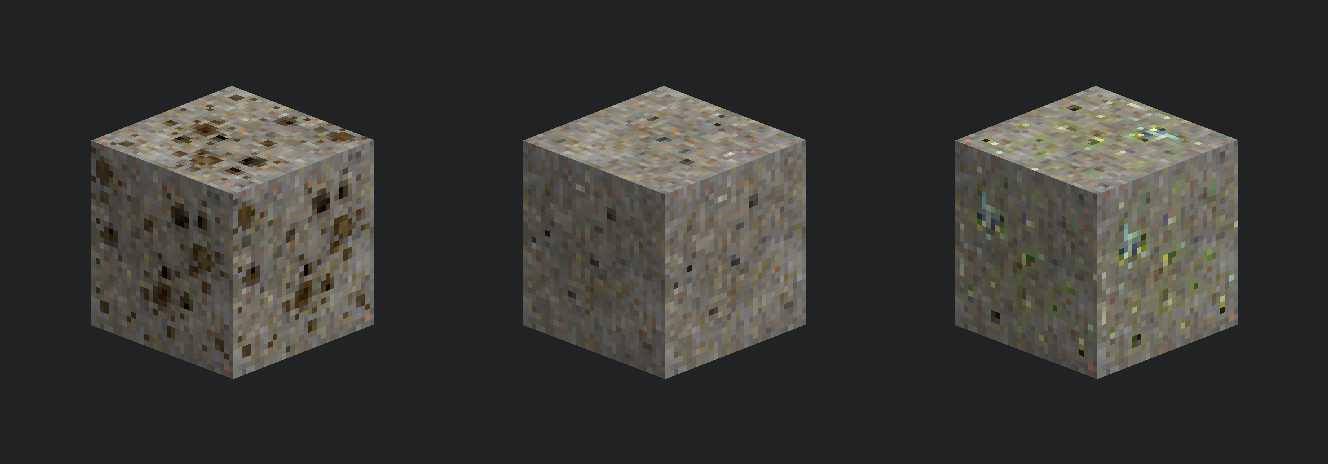
- Tin is cassiterite. Panning sand and gravel can drop it, but almost never does. Press H and check which rocks the handbook lists, then search those with a prospecting pick.
- Zinc is sphalerite. It pans out of sand and gravel much more often than tin, which is why bismuth bronze often shows up before tin bronze.
- Bismuth is bismuthinite. Mine it. Do not count on panning.
- Gold is native gold, usually in quartz. Panning barely ever yields it.
- Silver is native silver in quartz and in galena. Panning bony soil can also drop it, very rarely.
Which fuel to use
The temperatures in the table are for bronze that already exists. The first smelt from nuggets is different. The crucible has to reach the hottest ingredient in the mix, and that ingredient is copper at 1084 °C. Tin melts at 232 °C and bismuth at 271 °C, but peat cannot smelt a crucible that still contains copper nuggets.
The calculator shows this as two different lines. Crucible fuel follows the finished alloy. Ore smelting lists each metal on its own: copper is 1084 °C there. Use the copper line for the first mix. Brown coal, black coal, anthracite, charcoal, and coke all work. Early on that is almost always charcoal.
Once the bronze is cast and you have chiseled an ingot into bits, remelting follows the alloy’s own temperature. Bismuth bronze at 850 °C can be remelted on peat. Tin bronze and black bronze still need a hotter fuel.
How much firewood that charcoal will take is what the charcoal calculator adds up.
What to cast first
If you are following the story, the first bronze item is a tin bronze pickaxe. The first story chapter asks for one. Without the story, the useful pair is the same as it was for copper: a pickaxe and a hammer, so you can crush the new ore chunks. An axe, shovel, and hoe use the same molds.
A saw, shears, spear, chisel, and scythe cannot be cast. Those are smithed, and a copper anvil is enough for bronze. Bronze is also the first metal that can make a helve hammer and a pulverizer. Iron can be smithed on a bronze anvil. Meteoric iron and steel cannot. Those need an iron anvil.
Source: Bronze, Metal, and Casting on the Vintage Story Wiki (CC BY-NC-SA).